

Fabricating Quality in European Education
Governing by Numbers
"Governing by Numbers" is the UK (England and Scotland) component of FabQ. This new research project, funded from 2006-2009 by the Economic and Social Research Council (ESRC) and part of the Eurocores programme of the European Science Foundation (ESF), takes as its starting point the massive expansion in production of data about the performance of education systems,and asks the following questions:
What are the processes, reasons for and impact of governing education by numbers?
What do quality assurance and evaluation mean for education governance and systems?
How are indicators and benchmarks for education set?
Who controls, gathers and decides upon the data?
Have teaching and schooling changed as a result of the increasing requirements for data collection and assessment? In what ways?
How do education authorities produce and use data? Are there significant differences between Scotland and England in the production and use of data? Is data used to govern education in different ways in the two systems?
Does data gathering and use promote Europeanisation and globalisation in education?
Which theories best explain the use of data in education and its relationship to governing education?
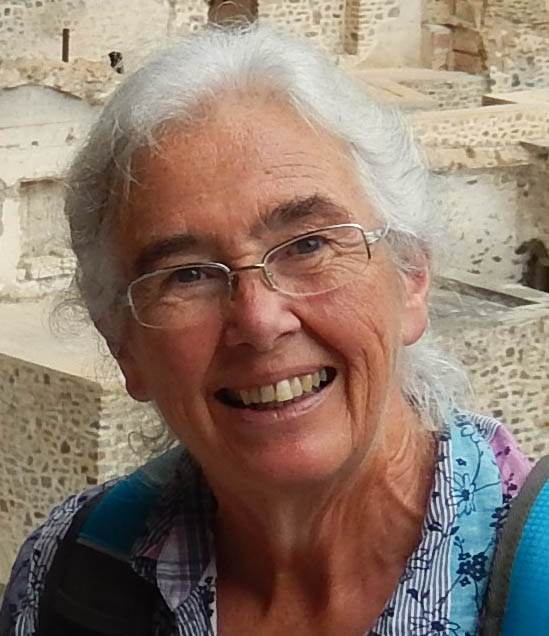
UK Research Team
|
||
 |
 |
 |
Linda Croxford |
Sotiria Grek |
Martin Lawn |
 |
 |
 |
Bob Lingard |
Jenny Ozga |
Farah Shaik |
The project Governing by Numbers is based in the Centre for Educational Sociology (CES) at the University of Edinburgh. It seeks to understand and explain the origins, processes and impact of the increased emphasis on measuring quality in education against standardised indicators of performance in Scotland and England. Governing by Numbers forms the UK (Scotland and England) element of the European Science Foundation collaborative research project ‘Fabricating Quality in European Education’ (FabQ), which extends the focus of the research into comparative contexts in Finland and Denmark, as well as Sweden. The overall co-ordination of FabQ is the responsibility of Professor Jenny Ozga (CES).
Web-based survey of teachers and headteachers
We felt it was important to achieve a shared survey design across the project, and this has involved detailed work with the European project partners. We agreed a core of comparative questions that enabled reliable comparative data on teachers to be gathered across the different systems. These questionnaires were piloted. We also piloted country-specific questions for England and Scotland. We administered a national survey to headteachers in England and Scotland (with common questions also in Finland, Sweden and Denmark) in spring 2008, along with a survey of classroom teachers in England and Scotland (and common questions to teachers also in Finland, Sweden and Denmark). The analysis of the surveys in England and Scotland is complete, as is the analysis of the cross-project survey data with our project partners. This analysis forms the basis of a symposium to ECER in Goteborg in September 2008, in which the survey results from all the countries in the FAB-Q project will be discussed, and cross-national comparisons of teachers’ responses to data and its impact on their work will be considered. In addition, a separate paper on comparisons of the findings relating to teachers in England and Scotland is in preparation for submission to the British Journal of Educational Research.
Some photos taken during the despatch of the survey
|
||
 |
 |
|
CES
Survey Despatch 1 |
CES
Survey Despatch 2 |
|
 |
 |
|
CES
Survey Despatch 3 |
CES
Survey Despatch 4 |
|